
Budget Minded
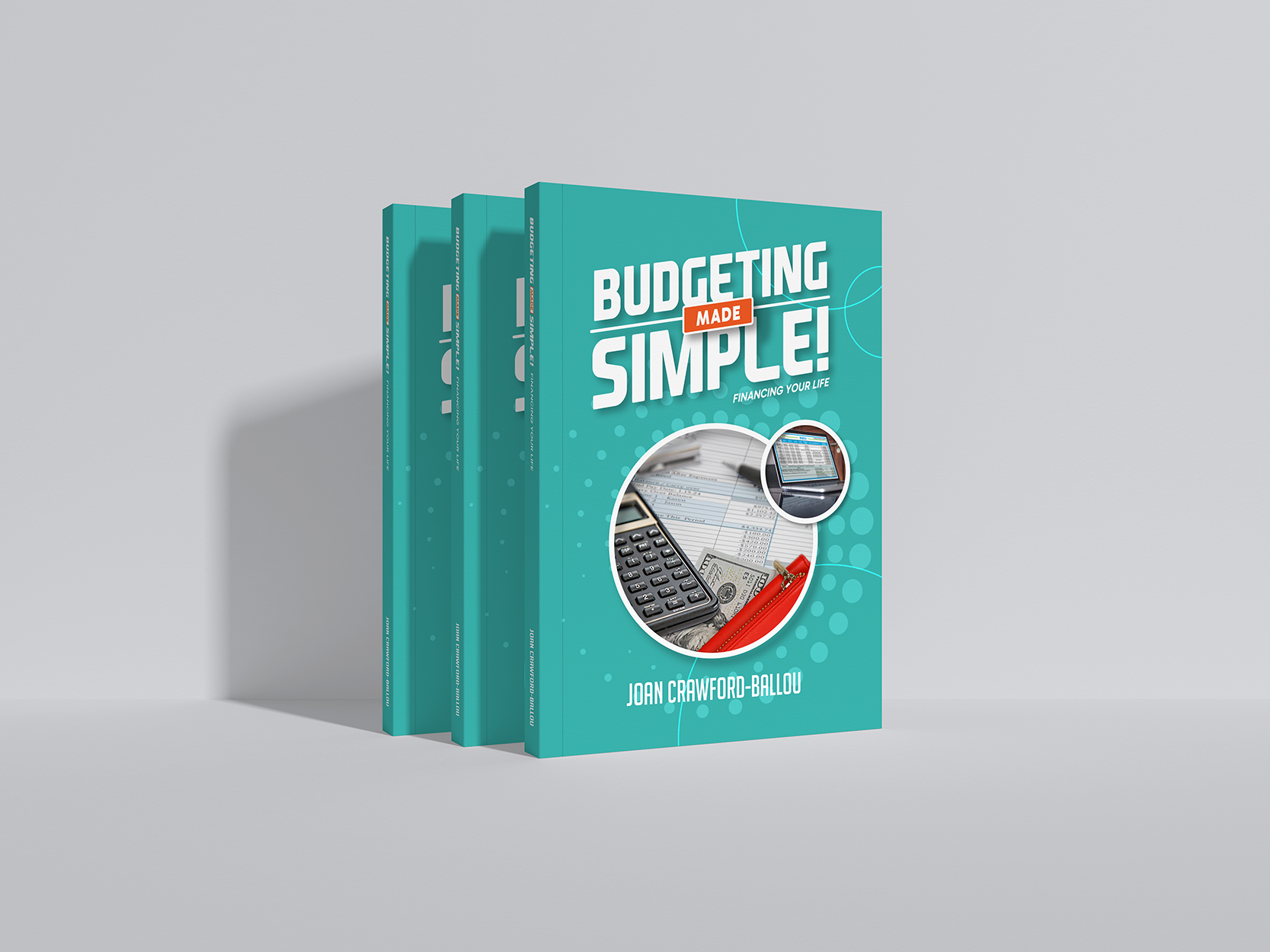

The importance of creating a budget: A budget is a written plan to help you distribute your money to pay essentials and create saving goals, it can alleviate some of the stress associated with money by providing an action plan and a pathway to effectively manage both the stress and the finances.
I don’t think a budget has to be complicated to work. It can be created on a napkin or on the back of an envelope. Puttin
g your budget in writing can help you better understand how much money is coming in and going out of your household. It’s telling your money where to go instead of wondering where it went. It accounts for your hard-earned money and really shows you who’s boss!
Who’s the boss? I have spoken to many groups teaching financial workshops. Whether it covered budgeting, financial freedom or retirement goals; they mostly delt with our ability or inability to control our money. It would seem like money has control of us at times but getting down to them facts of the matter, the real culprit is the person with the money! From the time money comes into our possession, it is up to us to direct it to where it needs to go. That means we are the boss of our own money and the only one with the authority to say where it should go and what we want it to do.
Money supply: Money is the supply that answers the demand for the necessities of life, but money is not a cure-all for all things. Even though money pays medical bills, it cannot give life or perfect health. Money is needed throughout life, which means we need to prepare for current and future times and for unexpected emergencies. Educating yourself on key areas of handling money, and having knowledge of community resources can be a huge help in stabilizing financial situations.
Where do you get money to save? You get money to put in your savings by intentionally doing so, the main place is from your income. Look for ways to save; here are some ideas.
Enter savings as a line item on your budget sheet. Pay yourself as you would your debts.
Your debts will decrease as your savings increase.
Dedicate 10 to 20% of income to savings – creating a meaningful savings goal for the year.
Automate funds to go directly to savings from your checking account once paid.
Sacrifice going out every weekend or the number of times you eat out.
Round up a deposit to the savings account to $50.00, $75.00 or $100.00.


Comments